
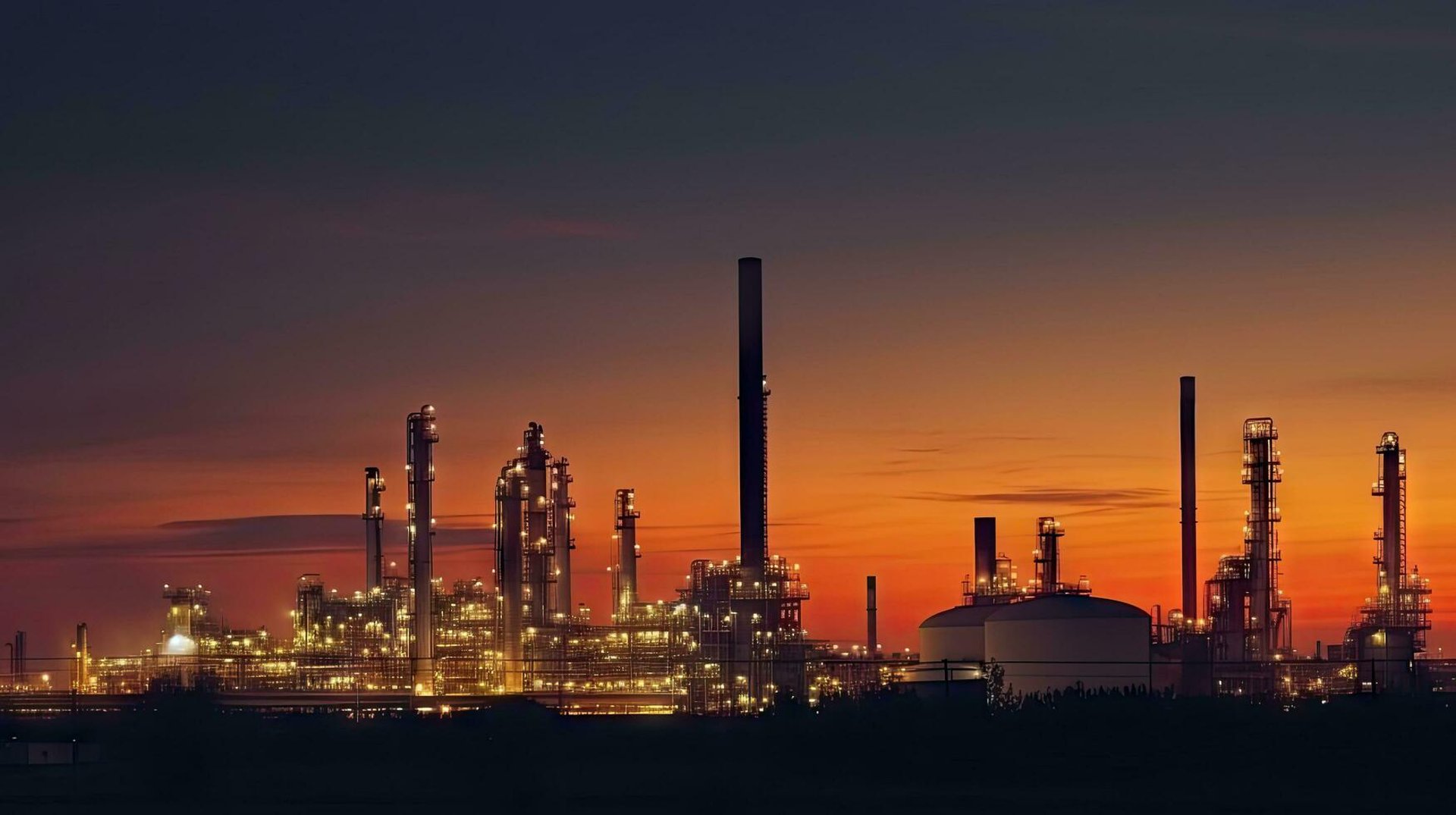
Iran War: The Energy Crisis That Will Affect Everyone
Oil above $120, natural gas doubled, the Strait of Hormuz shut down — here is what is happening and where it goes from here.
The U.S.-Israeli strikes on Iran launched on February 28, 2026 triggered the most severe energy market disruption since Russia invaded Ukraine. Three weeks later, the consequences are being felt at every gas station, factory floor, and trading desk around the world.
📊 Where Prices Stand Right Now
The numbers tell the story clearly:
▶ Brent Crude — up 71% to ~$120 per barrel
▶ WTI Crude — up 42% to ~$95 per barrel
▶ European Natural Gas — up 75%, near 2022 crisis highs
▶ Asian LNG — doubled since the conflict began
▶ US Gasoline — up 17% to $3.54 per gallon average
Every cent increase at the pump costs consumers billions annually. From food to freight to household energy bills — higher oil and gas prices flow through to everything.
🌊 Why the Strait of Hormuz Changes Everything
One fifth of the world's daily oil supply passes through the Strait of Hormuz. Iran has declared it closed. Insurance companies have withdrawn coverage for vessels attempting to transit, making the blockage effectively real regardless of military outcomes on the ground.
Saudi Arabia, the UAE, Iraq, and Kuwait have been forced to suspend an estimated 140 million barrels in shipments with no clear timeline for resumption. As storage fills across the Gulf, oilfields are being forced to cut production — a compounding crisis that will not reverse overnight even when peace is restored.
🔭 Three Scenarios: Where Do Prices Go From Here?
Duration is everything. Here is how the three most likely outcomes unfold:
✅ SHORT CONFLICT — 2 to 4 weeks
Brent settles at $80–$95. Strategic reserves provide a buffer. Inflation rises temporarily but markets rebalance within 60 to 90 days.
⚠️ PROLONGED CONFLICT — 1 to 3 months
Brent targets $120–$150. Gulf storage exhausted. Recession risk rises significantly in Europe and emerging markets. Stagflation becomes a real threat.
🚨 FULL ESCALATION — 3+ months
Brent reaches $150–$200. Physical energy shortages in Asia and Europe. Rationing becomes possible. Global GDP contracts sharply.
📌 Our View
Markets are currently pricing in a short conflict. Our assessment: Brent likely stabilizes in the $85–$100 range through Q2 2026 if the base case holds. However downside risks are severe and asymmetric. Any escalation — Iranian strikes on Gulf infrastructure or a prolonged Hormuz closure — would deliver a category-level economic shock the world is not prepared for.
Do not assume a quick resolution. Review your energy cost exposure now.
Durraniz Energy Consultants | www.durranizenergy.com Sources: IEA Oil Market Report... Energy Consultants | www.durranizenergy.com
Sources: IEA Oil Market Report | Al Jazeera | Axios | Chicago Tribune | Chatham House — March 2026